From Plateau to Progress: How One Physical Therapist (PT) is Redefining Rehabilitation with PoNS®
When patients walk through the doors of TryAbility Rehab, they often carry more than physical limitations, they carry fatigue, frustration, and sometimes resignation—the feeling that their mobility may never fully return. For Sakina Valika, PT, founder of TryAbility and registered PoNS trainer, these are the moments where transformation begins.
Sakina has built her career around helping individuals regain independence. Always seeking innovative ways to break through stalled recovery, she discovered PoNS (Portable Neuromodulation Stimulator) and recognized its potential to reshape rehabilitation for her patients.

A Turning Point in PT
Like many PTs, Sakina had seen patients reach frustrating “plateaus” in their rehabilitation and give up on their progress. “Traditional therapy alone can be effective, but some patients plateau.” What drew her to PoNS was its unique translingual neurostimulation approach, supported by growing clinical evidence in MS. She saw an opportunity to give patients a new way push forward when physical therapy alone no longer moved the needle. “I was drawn to PoNS because it targets the brain through cranial nerve stimulation, which complements traditional rehab methods.”
Pushing Through the Plateau
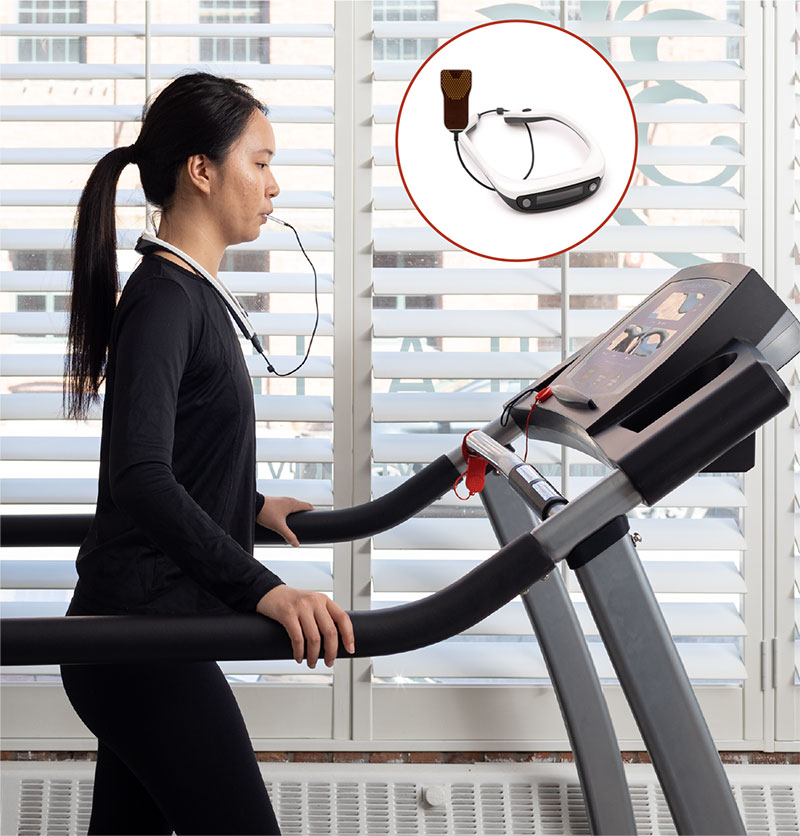
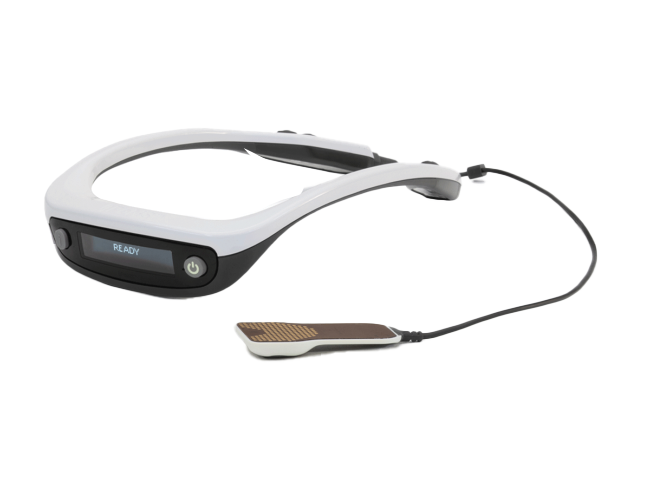
PoNS is a non-invasive neuromodulation device that works by stimulating the nerves on the surface of the tongue to activate cranial nerves and promote neuroplasticity. Use of the device while engaging in movement and coordination tasks promotes neuromodulation, and consequently, neuroplasticity, activating brain pathways for a lasting improvement in gait. This combination of the PoNS device and PT is known as PoNS Therapy®—an approach Sakina has adopted as an integral neurorehabilitation program at TryAbility Rehab.
“After becoming a registered PoNS trainer, I began using it with patients who had plateaued in conventional therapy,” Sakina recalls. By combining it with balance training, gait work, and task-specific therapy, she noticed something remarkable: patients who had plateaued began to make progress again. “Seeing improvements in their walking confirmed that this device could enhance outcomes in ways standard therapy alone sometimes cannot.”
More Than a Device
For Sakina, PoNS isn’t a one-time quick fix, and it is never used in isolation. “PoNS acts as a catalyst, making the brain more responsive to the therapy we deliver.” At TryAbility, PoNS is integrated directly into comprehensive neurorehabilitation programs. It’s paired with task-specific physical therapy, balance and gait training. “The device enhances neuroplasticity, but the functional improvements come from the patient’s active participation in therapy.”
“PoNS offers an opportunity to break through that plateau by stimulating the brain in a novel way. In my experience, patients using PoNS often progress faster or achieve gains that were not seen with traditional therapy alone.”
Breaking Through Barriers
Implementing PoNS Therapy at TryAbility came with logistical challenges—from training team members to adjusting schedules for consistent, protocol-driven sessions. Educating patients was another hurdle. Because it is such a novel technology, it’s not uncommon for them to hesitate until they understand how PoNS works, what the clinical evidence shows, and the benefits that come with consistent adherence.
But the payoff has been extraordinary. “I’ve observed meaningful improvements in walking,” says Sakina. “For individuals with MS…these changes often translate into greater independence and quality of life.”
The clinic tracks outcomes with tools like the Berg Balance Scale, Timed Up and Go (TUG), and gait speed assessments. Yet for Sakina, the true measure of success lies in patient success stories: increased walking distances and a new sense of freedom.
Advice for Providers
“I wish more providers understood how versatile PoNS can be when integrated into therapy. It can improve gait, coordination, and …opens new doors for patients who otherwise might not progress with traditional rehab methods alone.”
Sakina’s guidelines for implementing PoNS Therapy
- Get registered: Undergo proper training and certification
- Integrate, don’t isolate: Build PoNS into structured protocols that integrate with your existing therapy programs, rather than treating it as a standalone tool
- Educate patients early: Explain the commitment required and the potential benefits
- Collect outcome data: Use patient results to strengthen decision-making and demonstrate the value of the therapy
Back in Step With Life
Every patient’s recovery journey is unique. To that end, Sakina sees PoNS as a bridge—one that carries patients from frustrating plateaus to new possibilities by unlocking new levels of improvement. By retraining the brain and amplifying the effects of traditional therapy, it helps individuals reclaim the parts of their lives that matter most. For Sakina and her patients, PoNS Therapy is more than just a treatment. It’s a path forward.
Ready to explore what PoNS Therapy could mean for your patients?